Hear from Alan Scarry PhD, the newest UAOA Scholar, about his upcoming research into whether the live event environment can positively influence behavioural factors before supporters engage online.
As a motorsport supporter, I have experienced firsthand the sense of community that sport can create. That sense of belonging is one of the reasons this research matters to me. I want to understand whether the positive aspects of sporting identity can be harnessed to encourage more respectful interactions, particularly when emotions are running high during competition.
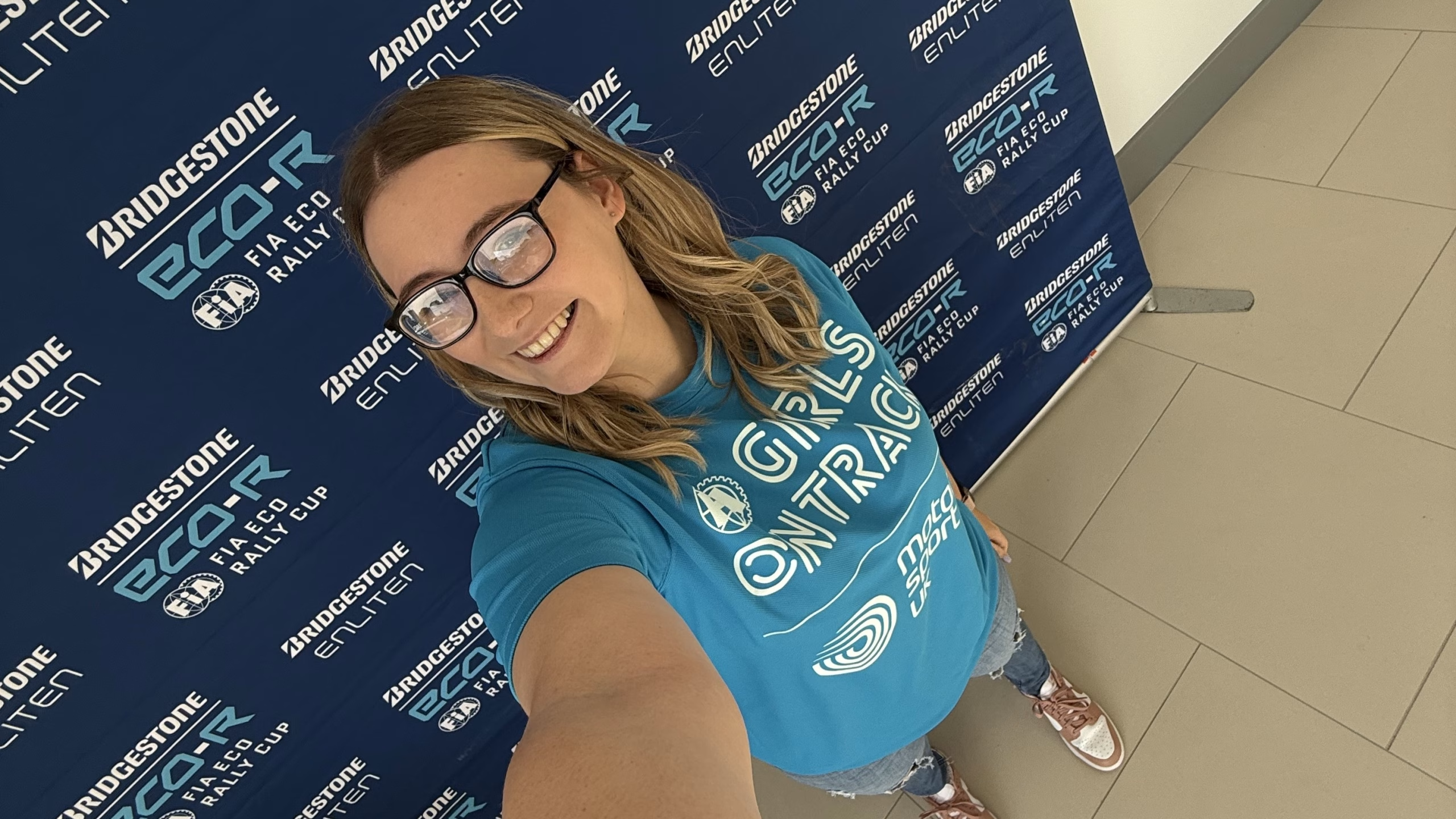
Just over a year ago, I had the privilege of attending the FIA Formula 1 Italian Grand Prix, where I conducted research with support from the FIA. I was there as part of a sustainability initiative examining the impact that large numbers of people can have at a major sporting event. From a research perspective, events like the FIA Formula 1 Italian Grand Prix and other races across the motorsport calendar resemble fast paced, temporary cities, making them particularly fascinating environments to study.
After Monza, I kept returning to a broader question: could attending a live sporting event offer benefits beyond the event itself? That question led to my interest in whether preventive interventions delivered in live event settings could help influence the behavioural factors associated with harmful online behaviour.
The FIA led United Against Online Abuse (UAOA) initiative provides the context for my research into earlier prevention. Athletes, officials, teams and supporters can all face online abuse, often following highly emotional moments during competition. Responses have understandably focused on identifying, monitoring and responding to abuse online. I became interested in whether there is also an opportunity to intervene earlier.
Live sporting events can strengthen identification with teams, athletes and supporter communities. At the same time, the atmosphere of an event and the behaviour of those around us can shape the emotions associated with belonging, rivalry and frustration. When supporter identity is particularly salient, messages about what fellow supporters consider acceptable could influence the perceived norms that later shape online engagement, while also reinforcing a positive sense of community within the venue.
The question, therefore, is whether the live event environment can be used to positively influence these behavioural factors before supporters engage online.
At Dublin City University, with support from the UAOA Scholarship Programme, I will examine whether behavioural messaging delivered during live sporting events can influence attitudes towards later online engagement, perceived norms, meaning what supporters believe others consider acceptable, and intentions concerning their own online behaviour.
The project will focus on these proposed outcomes. One provisional example would involve displaying messages during an event weekend that encourage respectful online discussion.
Rather than telling people what not to do, or portraying supporters as potential online abusers, the messaging would reinforce positive aspects of sporting identity and respectful fan behaviour. To evaluate the intervention, supporters would be invited to complete a short questionnaire examining their attitudes, perceived social norms and intentions around online engagement. By comparing responses between intervention and comparison groups, the study will investigate whether exposure to positive messaging can influence these behavioural factors.
During my doctoral research, I examined how behavioural interventions and visual cues could influence choices in real world environments. Working at the FIA Formula 1 Italian Grand Prix also gave me firsthand experience of conducting research at a major international sporting event. There, I saw both the potential of live events as settings for behavioural research and the practical challenges involved in conducting that research effectively.
With support from the UAOA Scholarship Programme, I will now apply my experience of behavioural interventions and live event fieldwork to the challenge of online abuse in sport.
This research aims to contribute to the existing body of knowledge on online abuse in sport by exploring the potential of preventive behavioural interventions. If the findings demonstrate that simple behavioural messages can positively influence attitudes, perceived social norms and behavioural intentions, they could provide a foundation for larger studies examining whether those changes translate into actual online behaviour.
Further research could then explore whether this approach can be applied beyond those attending live events, across different sports and digital environments. Ultimately, I hope this research will help sporting organisations understand whether their existing live event communications can play a role in preventing online abuse while also strengthening positive fan cultures.
Learn more about our UAOA Scholars and UAOA Scholarship Programme, supported by the FIA Foundation and hosted with Dublin City University, here.