University of Notre Dame
Advancing Research Through Collaboration
University of Notre Dame
Announced in autumn 2025, the FIA’s United Against Online Abuse (UAOA) initiative established a multi-year research collaboration with the University of Notre Dame and its Lucy Family Institute for Data & Society.
Supported by the FIA Foundation, this partnership brings together expertise in data science, technology and public policy to advance research into online abuse in sport. Through surveys, international policy research and youth-focused initiatives, the collaboration aims to strengthen the evidence base, inform practical solutions and help young people navigate digital environments more safely.
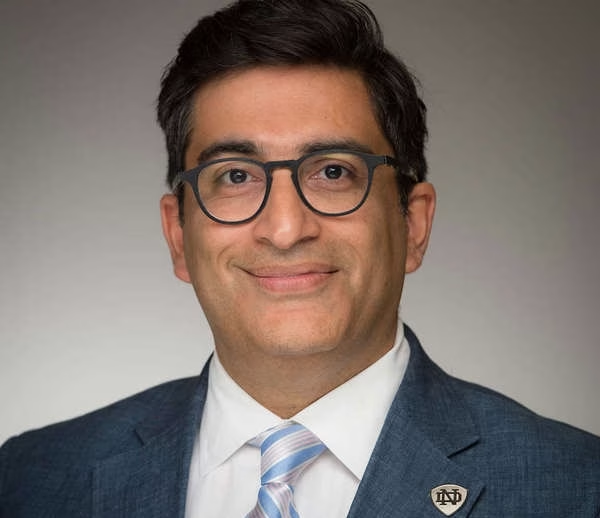
Nitesh V. Chawla
Nitesh V. Chawla is the Frank M. Freimann Professor of Computer Science and Engineering at the University of Notre Dame and the Lucy Family Director for Data & AI Academic Strategy, leading the Data, AI and Computing Initiative. He is the Founding Director of the Lucy Family Institute for Data and Society. He also holds concurrent faculty appointments in the Department of Applied and Computational Mathematics and Statistics in the College of Science and the Department of Information, Technology, Analytics and Operations in the College of Business.
He is a Fellow of the American Association for the Advancement of Science (AAAS), the Association for the Advancement of Artificial Intelligence (AAAI), the Association for Computing Machinery (ACM), and the Institute of Electrical and Electronics Engineers (IEEE).
Chawla, who joined the Notre Dame faculty in 2007, is an expert in artificial intelligence, data science, and network science, and is motivated by the question of how technology can advance the common good through interdisciplinary research. As such, his research is not only at the frontier of fundamental methods and algorithms but is also making interdisciplinary and translational advances for societal impact.
Chawla is the recipient of multiple awards for research and teaching innovation including Outstanding Teacher Awards at Notre Dame, a National Academy of Engineers New Faculty Fellowship, and a number of best paper awards and nominations. He also is the recipient of the 2015 IEEE CIS Outstanding Early Career Award; the IBM Watson Faculty Award; the IBM Big Data and Analytics Faculty Award; and the 1st Source Bank Technology Commercialization Award.
In recognition of the societal and community driven impact of his research, Chawla was recognized with the Rodney F. Ganey Award and Michiana 40 under 40 honor.
At Notre Dame, Chawla is also a Fellow at the Kellogg Institute for International Studies; the Kroc Institute for International Peace Studies; the Liu Institute for Asia and Asian Studies; the Pulte Institute for Global Development; and the Reilly Center for Science, Technology, and Values. He serves on the steering committee for the Health and Wellbeing Initiative and Technology Ethics Center.
Chawla is the co-founder of Aunalytics, a data science software and cloud computing company, co-founder of Intrepid Phoenix, and co-founder of Pahta Technologies.
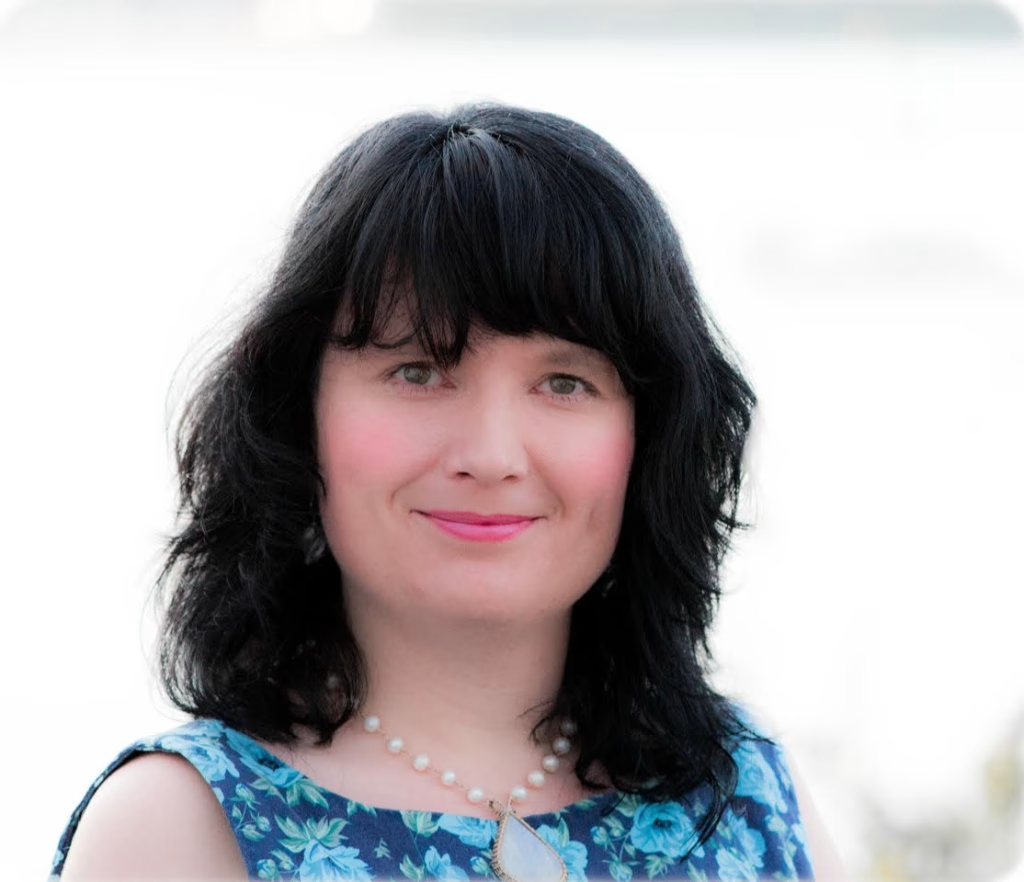
Emma L. Briant
Emma L. Briant, Ph.D. is Visiting Associate Professor at the Lucy Family Institute for Data and Society, at University of Notre Dame. As a leading expert on propaganda, information warfare and new technologies her research and testimony have informed policymakers in the US and worldwide, government agencies, NGO’s, industry, and transnational organizations.
Her research is best known for its role in revealing the Cambridge Analytica-Facebook scandal, including through the Oscar-shortlisted documentary ‘The Great Hack’. Dr. Briant has three books, Bad News for Refugees, Propaganda and Counter-Terrorism: Strategies for Global Change, and the Routledge Handbook on the Influence Industry.
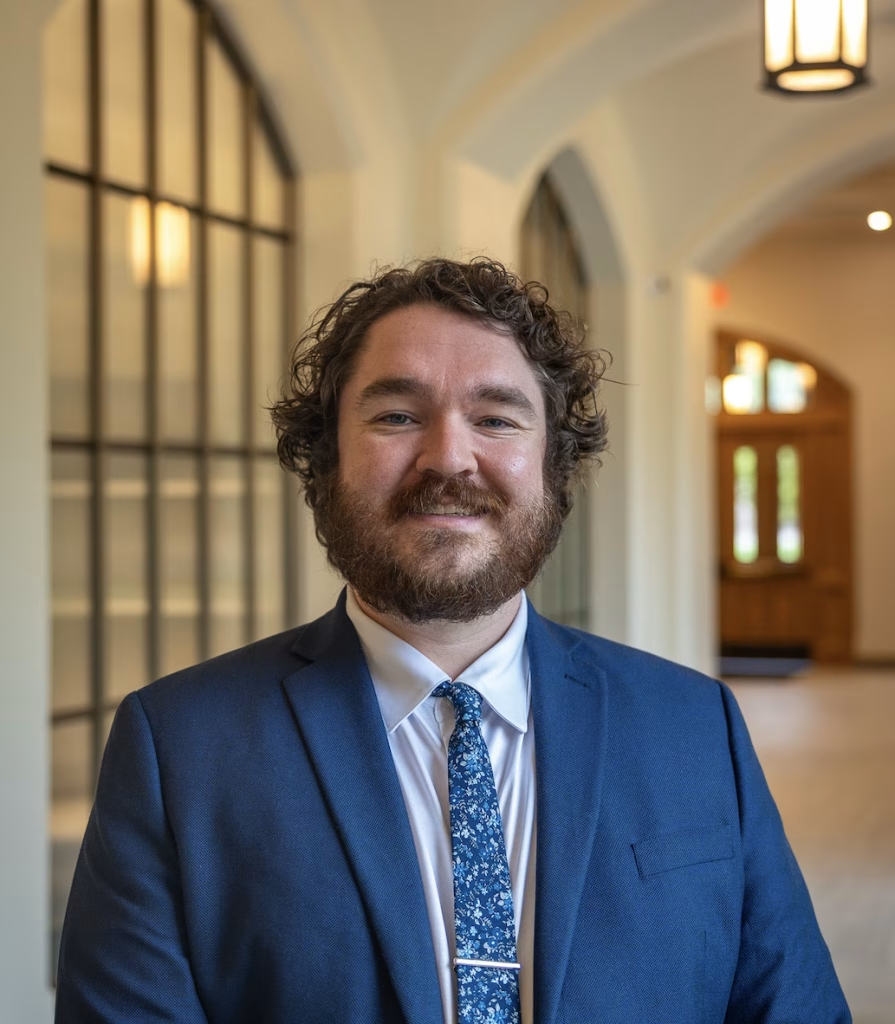
Alex Thomas
Alex Thomas serves as Strategic Program Manager for Notre Dame’s Data, AI & Computing (DAC) Initiative, where he supports strategic planning, program development, faculty engagement, and cross-university efforts to advance data science and artificial intelligence. He earned a Master of Arts in Law and Diplomacy from The Fletcher School at Tufts University, where his studies focused on U.S.-Russia foreign policy, and he is currently pursuing a Master of Science in Data Science at Notre Dame.
His professional background spans research, strategy, technology policy, and international affairs, including previous work in the government sector conducting open-source intelligence (OSINT) research in support of the U.S. defense community. A native of Boise, Idaho, Alex enjoys spending his time outdoors, especially camping, snowboarding, and whitewater rafting.
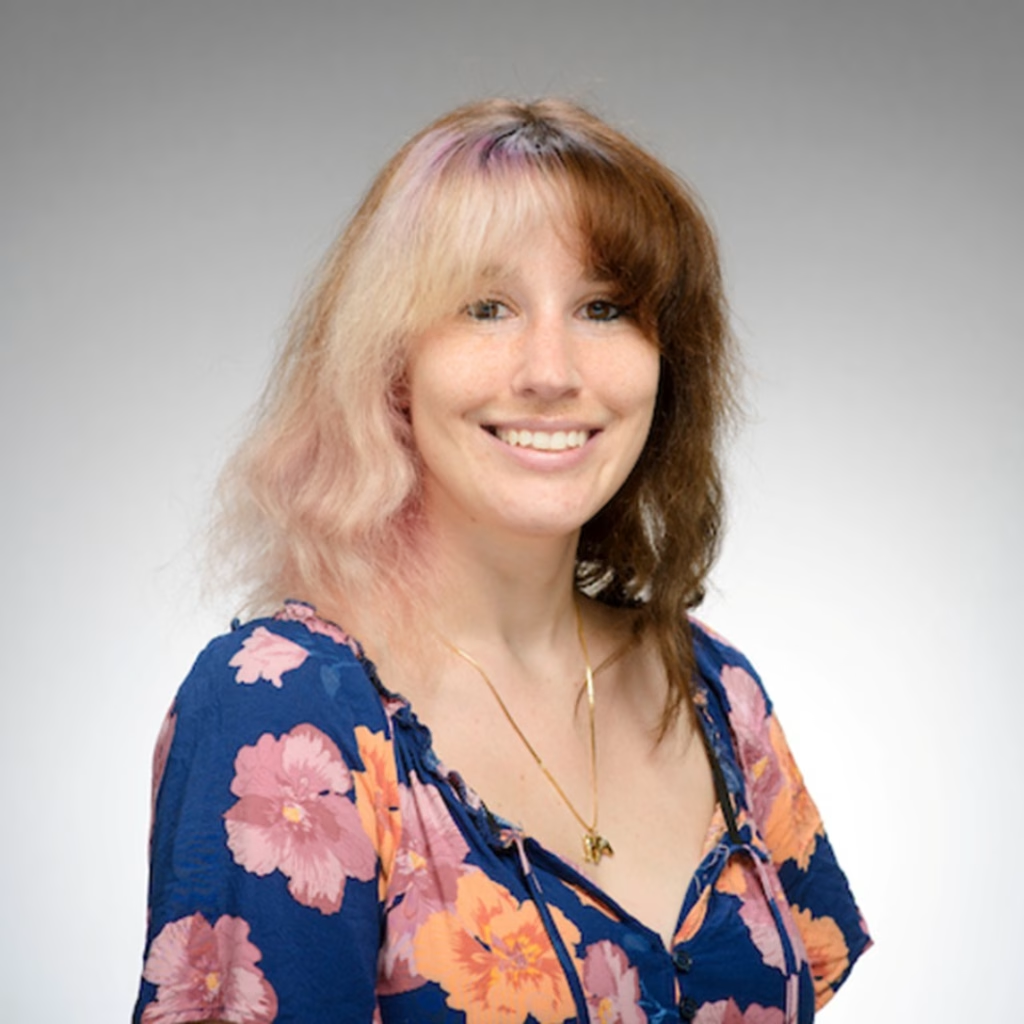
Jessica Young
Jessica Young has worked as a Senior Data Scientist at the Lucy Family Institute for Data & Society at the University of Notre Dame since 2025. Prior to joining the Lucy Institute, Young joined the University of Notre Dame in 2017 as a Data Scientist in support of the Center for Social Science Research. She holds a MS in Applied Statistics from Rochester Institute of Technology.
She has worked on a variety of projects across numerous disciplines including modeling perceptions of postpartum care, analyzing compliance in long term studies, detecting sleeping patterns using data from wearables, identifying profiles of student learners, text mining for economic words across thousands of novels, social network analysis of teachers and who they go to for support, crafting and editing R scripts for pulling and scoring survey data and multiple power analyses.
She consults on projects at any stage from the beginning formulation stage by running power analyses to the end stage by assisting with analysis write-ups and dissemination. While her main focus is on quantitative methodology such as regression models and text mining methods, she also has expertise in qualitative methods such as analyzing focus group feedback.
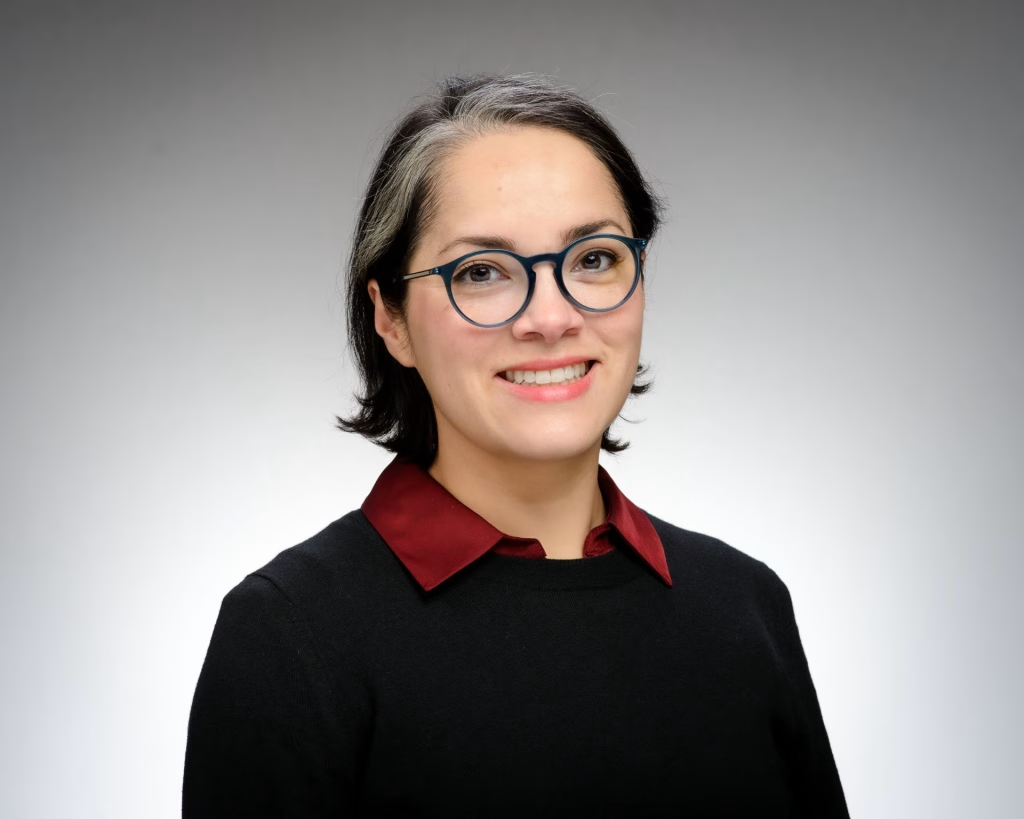
Yessica Herrera
Yessica Herrera is a research scientist with the Data, AI, and Computing Initiative where she investigates the social systems and network structures that shape organizational success and leadership in creative industries. In this role, she develops computational approaches to understand how technology enables and reorganizes creative work, contributing to more responsible and informed uses of AI.
She also holds an affiliation with the Barabási Lab, where since 2021 she has contributed to data and art research examining how artistic, philanthropic, and institutional practices respond to structures of prestige and influence. She is a member of the evaluators committee at Faro UDD and the Advisory Council as data visualization expert of the Dance Data Project (DDP).